Lie Detection and the Jury
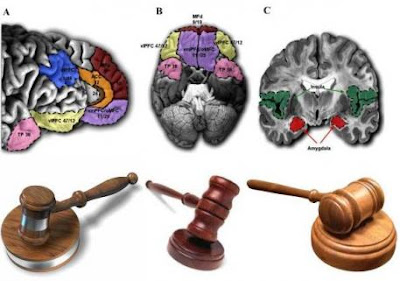
Much virtual and actual ink has been spilled of late about the dangers of rushing to bring brain-imaging technologies into the courtroom. Not only neuroskeptics, [1] but also preeminent neuroscientists, [2] have urged caution when it comes to the prospect of fMRI data being admitted as trial evidence. And brain-based lie detection, as one of the most alluring areas of imaging research, has in particular come in for a great deal of hand-wringing. These portents of doom are perhaps even more premature than would be the use of fMRI “polygraphy” as evidence. Worrying now about that prospect is a bit like throwing out the bathwater before the baby has even gotten into the tub. While it’s true that a few ill-informed judges have made a few ill-conceived decisions along these lines (and those mostly in India, not the United States), the vast weight of judicial precedent, procedure, and practice makes it overwhelmingly likely that courts will move too slowly, rather t...