Posts

Showing posts with the label stigma

Neurodevelopmental Disability on TV: Neuroethics and Season 1 of ABC’s Speechless
Image
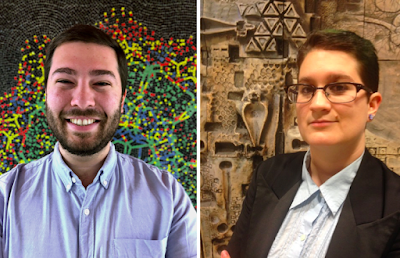
By John Aspler and Ariel Cascio John Aspler, a doctoral candidate in Neuroscience at McGill University and the Neuroethics Research Unit , focuses on the experiences of key stakeholders affected by fetal alcohol spectrum disorder, the way they are represented and discussed in Canadian media, and the potential stigmatization they face given related disability stereotypes.  Ariel Cascio, a postdoctoral researcher at the Neuroethics Research Unit of the Institut de recherches cliniques de Montréal, focuses primarily on autism spectrum conditions, identity, subjectivity, and biopolitics.  Introduction Television can be an important medium through which to explore cultural conceptions of complex topics like disability – a topic tackled by Speechless , a single-camera family sitcom. Speechless tells the story of JJ DiMeo, a young man with cerebral palsy (CP) portrayed by Micah Fowler, who himself has CP. The show focuses on JJ’s daily life as well as the experiences of his parent...


Allies and Enemies in the Fight for Mental Health Reform

Image
  By Nathan Ahlgrim The Need for Allies Image courtesy of Wikimedia Commons . Mental healthcare in the United States is in need of serious reform. Mental healthcare is less accessible than other services , and efforts to repeal the Affordable Care Act could put adequate care out of reach for millions more Americans. Opposition to mental healthcare reform comes from all sides, with the popular talking points demanding law and order, fiscal responsibility, and moral accountability. Still, the consequences of un- or under-treated people interacting with un- or under-trained authorities are hard to ignore, most strikingly in the criminal justice system. Americans with mental illnesses are sixteen times more likely to be shot by police , and more than half of all inmates in America suffer from mental health problems. Mental health reform, then, stands to benefit the healthcare system, criminal justice, and family structure itself. Given the opposition, legislative policy victories wil...

"Inflammation might be causing depression": Stigma of mental illness, reductionism, and (mis-)representations of science

Image
by Katie Givens Kime Image courtesy of Flickr “ Is depression a Kind of Allergic Reaction? ” Provocative headlines like these appear throughout popular media. Besides misrepresenting scientific findings, such journalistic coverage impacts perceptions of mental illness, as well as expectations of those seeking treatment. In last month’s Neuroethics in the News talk, Dr. Jennifer Felger , from Emory’s Department of Psychiatry and Behavioral Sciences, shared her experiences and insights on the translation (and mistranslation) of research by journalists. In relating the story of her own interactions with the media, Felger emphasized the complex and varying transactional relationships between journalists and scientists. The impact of such coverage carries notable neuroethical dimensions, potentially affecting the capacity for agency and/or aspects of a sense of self for a person experiencing mental illness. The work of Felger and others on the role of inflammation in depression emerges ...

"American Horror Story" in Real Life: Understanding Racialized Views of Mental Illness and Stigma

Image
By Sunidhi Ramesh Racial and ethnic discrimination have taken various forms in the United States since its formation as a nation. The sign in the image reads: "Deport all Iranians. Get the hell out of my country." Image courtesy of Wikipedia . From 245 years of slavery to indirect racism in police sanctioning and force, minority belittlement has remained rampant in American society (1). There is no doubt that this history has left minorities in the United States with a differential understanding of what it means to be American and, more importantly, what it means to be an individual in a larger humankind. Generally, our day-to-day experiences shape the values, beliefs, and attitudes that allow us to navigate the real world (2). And so, with regards to minorities, consistent exposure to these subjective experiences (of belittlement and discrimination, for example) can begin to shape subjective perceptions that, in turn, can mold larger perspectives and viewpoints. Last spring,...

Prescribing the Placebo Effect

Image
By Sarika Sachdeva This post was written as part of a class assignment from students who took a neuroethics course with Dr. Rommelfanger in Paris of Summer 2016.  Sarika Sachdeva is an undergraduate junior at Emory studying Neuroscience and Behavioral Biology and Economics. She is involved with research on stimulant abuse and addiction under Dr. Leonard Howell at Yerkes National Primate Research Center.  In 2006, Dr. Ted Kaptchuk designed a clinical drug trial to evaluate a new pain pill in patients with severe arm pain. Participants in the study were assigned to receive either the pill or an acupuncture treatment for several weeks. Dr. Kaptchuk found that the people who received acupuncture ended up with more pain relief than those who had taken the pain pill. This difference was surprising, not because the pain pill was expected to be more effective, but because neither treatment was real- the pain pills contained cornstarch and the acupuncture was done with ...