Posts

Showing posts with the label clinical research

Exploring the Risks of Digital Health Research: Towards a Pragmatic Framework

Image
By Dr. John Torous Image courtesy of Flickr user Integrated Change We often hear much about the potential of digital health to revolutionize medicine and transform care – but less about the risks and harms associated with the same technology-based monitoring and care. “It’s a smartphone app … how much harm can it really cause?” is a common thought today, but also the starting point for a deeper conversation. That conversation is increasingly happening at Institutional Review Boards (IRBs) as they are faced with an expanding number of research protocols feature digital- and smartphone-based technologies. In our article, ‘Assessment of Risk Associated with Digital and Smartphone Health Research: a New Challenge for IRBs” published in the Journal of Technology and Behavioral Science [1], we explore the evolving ethical challenges in evaluating digital health risk, and here expand on them. While risk and harm in our 21 st century digital era are themselves evolving topics that chang...
Predicting Psychosis: Exploring Pre-Clinical Signs for Mental Illness

Image
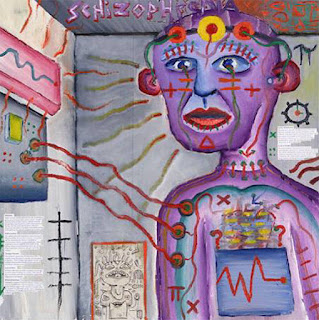
By Sunidhi Ramesh This post is based on the January edition of the “Neuroethics and Neuroscience in the News” series in which Dr. Elaine Walker from Emory University discussed the ethics of assessing risk and treating brain diseases before they can be diagnosed. This self-portrait is often used to depict the distorted reality that many schizophrenia patients face. (Image courtesy of Wikimedia   Commons .) “This calculator,” a 2016 headline states, “can predict your risk of developing psychotic disorders.” Psychotic disorders , including schizophrenia and bipolar disorder with psychotic features, are characterized by noticeable deficits in “normal” behavior accompanied by hallucinations, delusions, paranoia, an early onset (the average age of onset is in the late teens or early twenties), and a derailed life course. Because of its early age at onset, the DALY (disability adjusted life years) value for psychosis is significantly greater than that of other illnesses (1). It’s no su...

Intellectual Property from Clinical Research on Neuropsychiatric Disorders: What Constitutes Informed Consent?

Image
By Elaine F. Walker, Ph.D. & Arthur T. Ryan, M.A. Elaine Walker is a Professor of Psychology and Neuroscience in the Department of Psychology at Emory University and is the Director of the Development and Mental Health Research Program, which is supported by the National Institute of Mental Health . Her research is focused on child and adolescent development and the brain changes that are associated with adolescence. She is also a member of the AJOB Neuroscience editorial board. The pace of advances in biomedical research has accelerated in conjunction with new technologies for studying cellular processes. While this progress holds promise for relieving human suffering from a range of illnesses, it also poses significant and thorny questions about the ownership of new knowledge. In June of 2013, the Supreme Court issued a unanimous ruling on the Association for Molecular Pathology v Myriad Genetics, Inc. ; all justices agreed that naturally occurring DNA sequences cannot be ...