Posts

Showing posts with the label neurodegeneration

Overexposed: The role of environmental toxicants on your brain

Image
By Carlie Hoffman It is often said that we are products of our environment: who we are is shaped by the things, people, and situations with which we surround ourselves. However, whatever we may like to think, we are not in control of every facet of our environment. In fact, we are unknowingly and involuntarily exposed to dozens of man-made environmental chemicals, called toxicants , each day that can negatively alter our bodies and even our very brain matter. In essence, we are becoming literal products of our environment. Synthetic chemicals and toxicants are ubiquitous within our surroundings. While some toxicants come from obvious sources, like cigarette smoke and car exhaust, other sources of exposure are more subtle. For instance, electrical equipment (like computers and cell phones), beauty products (like makeup and shampoo), mattresses, and furniture all contain flame retardants , chemicals used to reduce flammability [3, 13]. Bisphenol A ( BPA ) and phthalates , c...

23andMe: The Ethics of Genetic Testing for Neurodegenerative Diseases

Image
by Liana Meffert The following post is part of a special series emerging from Contemporary Issues in Neuroethics, a graduate-level course out of Emory University’s Center for Ethics. Liana is a senior at Emory University majoring in Neuroscience and Behavioral Biology and Creative Writing (poetry). She is currently applying to Public Health graduate schools and considering a future in medicine. In her free time she enjoys running, reading, and her research on PTSD at Grady Memorial Hospital. 23andMe logo   The face of genetic testing and counseling is in the midst of a major overhaul. Historically, a patient had to demonstrate several risk factors including familial and medical health history or early symptoms in order to be tested for the likelihood of developing a neurodegenerative disease. For the first time, the public has unrestricted and unregulated access to the relative probability of developing certain neurodegenerative diseases. So why is finding out you may devel...

Judging brains with preclinical disease

Image
By Guest Contributor, Jagan Pillai, MD, PhD Dr. Jagan Pillai is a neurologist at the Lou Ruvo Center for Brain Health, Cleveland Clinic and works to help people with cognitive changes from neurological disorders and to develop diagnostic and treatment strategies in neurodegenerative diseases. He trained as a medical doctor at the University of Kerala, Trivandrum, India. He obtained a PhD from Northwestern University. He trained in Neurology at the Albert Einstein College of Medicine and at the University of California San Diego. As a neurologist interested in neurodegenerative disorders, I met Phil and a few others with preclinical Huntington’s disease (HD), on a trip to Phoenix, AZ to take in their perspectives. Phil is a self-appointed counselor, caretaker, and community leader of PHDs. He chuckles as he credits his accomplishments to having been born a PHD (in his lingo, Person with Huntington’s disease). HD is a neurodegenerative disorder caused by an expanded number of triplet re...

The need for collaborative definitions in neurodegenerative disease research

Image
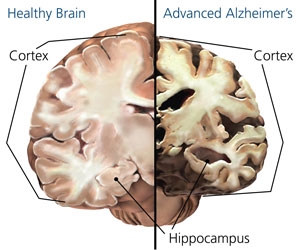
As the population ages, public concern regarding neurodegenerative diseases is rapidly accelerating. Alzheimer’s Disease (AD) is estimated to effect 5.3 million individuals in the United States alone [1], and treatment options for these patients remain limited. The cause of pathogenesis in AD has remained elusive, severely limiting therapeutic developments.  http://www.sfn.org/index.aspx?pagename=brainBriefings_10_unravelingalzheimers Alzheimer’s Disease, like many neurodegenerative diseases, is associated with accumulated clumps of protein in the brain, termed “inclusions” or “aggregates”. As a general rule, healthy individuals do not exhibit these inclusions. The protein inclusions associated with Alzheimer brains include amyloid β (Aβ) plaques and tau neurofibrillary tangles; however the extent to which these aggregated proteins contribute to disease, if any, is unknown. Due to the dearth of evidence linking aggregation to disease progression, it has been suggested that a...