Posts

Showing posts with the label diversity

Global Neuroethics and Cultural Diversity: Some Challenges to Consider
Image
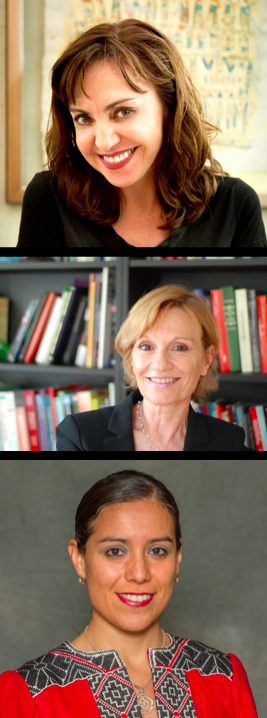
By Karen Herrera-Ferrá, Arleen Salles and Laura Cabrera Karen Herrera-Ferrá, MD, MA lives in Mexico City and founded the Mexican Association of Neuroethics . She has a Post-doctorate in Neuroethics ( Neuroethics Studies Program at the Pellegrino Center for Clinical Bioethics (PCCB) at Georgetown University ), a MA on Clinical Psychology, and an MD. She also has a Certificate on Cognitive Behavioral Therapy and another one on History of Religions. She has a one-year fellowship on Psychosis and another on OCD. She is currently a PhD Candidate on Bioethics. On May 2016 she developed a national project to formally introduce and develop neuroethics in her country. The main focus of this project is to depict and include national leaders in mental health, interested in neuroethics, so to inform and divulge this discipline among scholars and society. She also works as a mental health clinician in a private hospital, lectures in different hospitals and Universities in Mexico and is an Affiliate...

Diversity in Neuroethics: it’s more important than you might think

Image
By Nicholas Fitz and Roland Nadler** Nicholas Fitz Nick is a Graduate Research Assistant at the National Core for Neuroethics at the University of British Columbia.  Roland is a third-year J.D. student at Stanford Law School and previously worked as a Graduate Research Assistant at the National Core for Neuroethics at the University of British Columbia. **equal contribution Roland Nadler The second decade of neuroethics is now well underway. Much like the human brain itself, some of its developmental “critical periods” have run out, but many others remain open. How will we use these remaining opportunities to shape the field? Junior participants in these spaces should take the initiative to engage with unresolved questions about the nature and structure of neuroethics as a discipline. After all, those of us at the beginning of our careers have a particularly significant stake in the answers to those questions, with most of our academic and professional lives still ahead of us...