Posts

Showing posts with the label human nature

Forget the Map; Trust Your Brain: The Role Neuroscience Plays in Free Will

Image
by Fuad Haddad The following post is part of a special series emerging from Contemporary Issues in Neuroethics, a graduate-level course out of Emory University’s Center for Ethics.  Fuad is an undergraduate junior at Emory studying neuroscience and behavioral biology and ethics. He currently performs research at Yerkes National Primate Research Center under Dr. Larry Young, studying the relationship of single nucleotide polymorphism and pair bonding. His other research interests are the relationship between oxytocin and allopatric grooming as a model of empathy.  Lizzie laughs as we drive down Briarcliff. “What do you mean an adventure?” she chuckles at me. I have a propensity to get lost for fun, an unhealthy and interesting habit. We approach a stop light. “Left, right, straight – pick one!” I say. As we arrive at a consensus, we journey onward until we reach a green highway sign that signals the exit to Athens. Her smile gives her motive away; I think, “Sorry Emo...
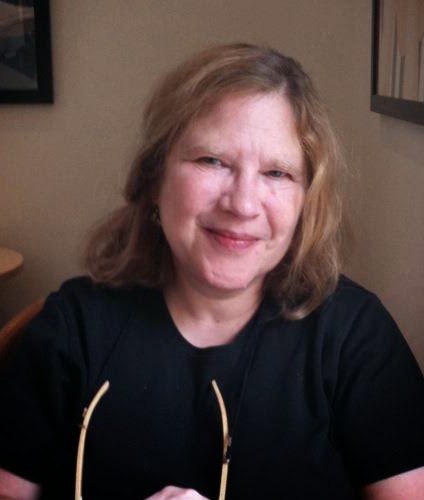
Agency Revisited: Dr. Heidi Ravven on Moral Psychology, Ethics and the Myth of Free Will

Image
By Stephanie Hare Stephanie Hare is a second-year PhD student studying neuroscience at Georgia State University . She is the recipient of the first 2CI Neuroethics Doctoral Fellowship and has research interests in psychiatry, law and the normative impact of neuroimaging research. You can connect with Steph via email at share1@student.gsu.edu or use her Twitter handle, @NeuroSteph . On September 20, Emory University hosted a book talk and signing with Dr. Heidi Ravven , author of The Self Beyond Itself: An Alternative History of Ethics, the New Brain Sciences and the Myth of Free Will . Dr. Ravven received an unsolicited $500,000 grant from the Ford Foundation to write a book rethinking traditional ethical frameworks and theories of moral agency. As a leading scholar on the work of Baruch Spinoza and Jewish philosophy, Ravven is perfectly situated to recognize socio-cultural assumptions regarding our beliefs about free will and agency, allowing for the consideration of alternati...