Posts

Showing posts with the label stereotype

"American Horror Story" in Real Life: Understanding Racialized Views of Mental Illness and Stigma

Image
By Sunidhi Ramesh Racial and ethnic discrimination have taken various forms in the United States since its formation as a nation. The sign in the image reads: "Deport all Iranians. Get the hell out of my country." Image courtesy of Wikipedia . From 245 years of slavery to indirect racism in police sanctioning and force, minority belittlement has remained rampant in American society (1). There is no doubt that this history has left minorities in the United States with a differential understanding of what it means to be American and, more importantly, what it means to be an individual in a larger humankind. Generally, our day-to-day experiences shape the values, beliefs, and attitudes that allow us to navigate the real world (2). And so, with regards to minorities, consistent exposure to these subjective experiences (of belittlement and discrimination, for example) can begin to shape subjective perceptions that, in turn, can mold larger perspectives and viewpoints. Last spring,...
Racial Biases in Face Judgment- When You “Look” Criminal

Image
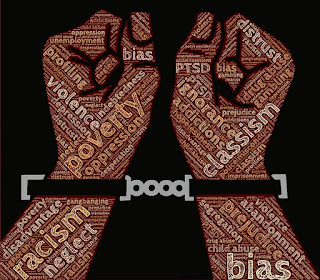
By Carlie Hoffman Image courtesy of Pixabay Racial bias can, and often does, occur in several elements of the criminal justice process, including on initial police contact, during eye-witness identification, and in jurors’ decisions. This disparity of how people are treated throughout the justice system is likely influenced by the criminal black male stereotype that pervades our American culture (1). Some propose that this stereotype originated in the slavery and post-slavery eras, with the onset of Jim Crow laws and other post-slavery codes that instigated segregation and also sanctioned racially-biased punishments for blacks, and especially for black males. Racially-biased punishments are still present today, with a 2015 article in Slate magazine citing that black Americans are more likely to have their cars searched, to be arrested for drug use, to be jailed while awaiting a trial, and to serve longer sentences for the same offense as white Americans. The presence of racial ...

Diversity in Neuroethics: it’s more important than you might think

Image
By Nicholas Fitz and Roland Nadler** Nicholas Fitz Nick is a Graduate Research Assistant at the National Core for Neuroethics at the University of British Columbia.  Roland is a third-year J.D. student at Stanford Law School and previously worked as a Graduate Research Assistant at the National Core for Neuroethics at the University of British Columbia. **equal contribution Roland Nadler The second decade of neuroethics is now well underway. Much like the human brain itself, some of its developmental “critical periods” have run out, but many others remain open. How will we use these remaining opportunities to shape the field? Junior participants in these spaces should take the initiative to engage with unresolved questions about the nature and structure of neuroethics as a discipline. After all, those of us at the beginning of our careers have a particularly significant stake in the answers to those questions, with most of our academic and professional lives still ahead of us...

Now Available! Bias in the Academy Pre-Symposium Series Archives on YouTube

Image
This year's Neuroethics Symposia , a partnership of Emory's Neuroscience Graduate Program, Laney Graduate School and the Emory Center for Ethics Neuroethics Program, is designed to discuss the complex influence of stereotype/bias on academia and apply advances in the science of stereotype bias to university policies and practices. Through a pre-symposia seminar series and symposia, a white paper will be produced to highlight challenges and to put forth practical solutions to move toward mitigating the detrimental influence of bias and stereotyping in academia. The first of four pre-symposium seminars was led by neuroscience graduate student, Jacob Billings.  The video of this seminar is available below. An Introduction to Bias: A Social Network Primer   Jacob Billings, Neuroscience graduate student, Emory University  Stay tuned for more videos! The next seminar series will be led by Chris Martin, a sociology graduate student at Emory University. He discussion is entitled,...