Posts

Showing posts with the label misinformation

Dare to be different: Defense of the research of sex differences
Image
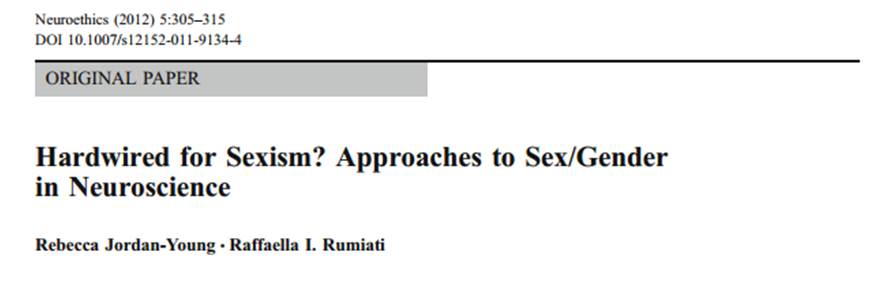
By Guest Contributor, Emory Neuroscience and Animal Behavior Graduate Student Katy Renfro In a recent article published in the journal Neuroethics , Dr. Rebecca Jordan-Young and Dr. Raffaella Rumiati argue that current research on sex differences is “both unscientific and far from politically neutral,” and should be abandoned. [6] This article reflects many of the current conversations on the ethical implications of researching sex differences, which have largely focused on how results of these studies can be misappropriated to support sexist agendas. I cannot argue against the legitimacy of these concerns, and as researchers, we must always be careful to present our findings in a balanced and accurate manner so as to better combat misinterpretations and misrepresentations of data. However, we must also keep in mind that just as science has the potential to influence social and political conversations, this is a bidirectional relationship, and politics also have the power to misinform ...

Neurosexism and Single-Sex Education (or support your local ACLU)

Image
"N" is for Neurosexism Twenty or thirty years ago, single-sex education for girls was a feminist clause célèbre. However, beginning in the late 1990s and early 2000s, people began to worry that boys were “underperforming” in school and in life (an idea nicknamed “the boys’ crisis” by the popular press). The media framing of the boys’ crisis has been critiqued on a number of fronts – specifically, critics have pointed out that both girls and boys are performing better in school than in the past and that the difference in educational achievement between white and middle-class students and low-income and minority students is far more pronounced than the difference between female and male students (see a 2008 report from the American Association of University Women ). However, despite these critiques, cultural commentators began to advocate for single-sex education in public schools as a solution to the boys’ crisis. Commentators like Michael Gurian (author of Boys and Girls Lea...

The [insert adjective] Brain: Implications for Neuroscience in Popular Media

Image
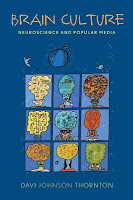
Via amazon.com The Addicted Brain. The Female Brain. The Male Brain. Chemobrain. Buddha’s Brain. The Winner’s Brain. The Republican Brain . These days, it seems that everybody’s brain is being scanned and their behavior analyzed. In fact, these are all titles of books published in the past decade that communicate the latest findings in neuroscience and psychology research to lay audiences. As a budding neuroscientist, I am excited that science, and neuroscience in particular, has now flooded into popular American culture. Evidence of its expanding domain is everywhere: in magazines ( Scientific American ’s “ MIND ”), blogs ( Neuroskeptic ), radio programs (NPR’s “ Radiolab ”), podcasts ( Nature ’s “ Neuropod ”) and books. For further examination of the reasons for this cultural shift, see the discussion of the phenomenon in the new book “ Brain Culture: Neuroscience and Popular Media ,” by Davi Johnson Thorton, Southwestern University's Assistant Professor of Communication Studies....